
Custom Protein Production
With BPS Bioscience's custom protein development services, we use optimized conditions to generate recombinant proteins with high purity and high yields. Projects are composed of five milestones where data is provided after each milestone completion. Each project is customizable through working directly with our team of highly trained scientists.
PROJECT MILESTONES
 1. Cloning
Unless provided, BPS can supply the image clone or synthetic DNA. Mutations will be introduced if needed. Confirmation of successful cloning will be completed through gene sequencing. For baculovirus generation and Sf9 insect cell expression projects, the plasmid will be transformed into competent cells, purified, and screened for positive clones using PCR.
Protein Tags: His, GST, Myc, FLAG, Avi, MBP, Fc-fusion
 2. Expression & Purification
The plasmids will be transfected through using lipofectamine, electroporation, or lentiviral transduction with the desired expression system.
Expression Systems
- Mammalian (HEK293 or CHO-K1)
- E. coli
- Baculovirus/Sf9 insect cells
Next, the cells will be harvested and the proteins purified. If necessary, BPS can perform buffer exchange and concentrate the samples.
Customizable Purification Options
- Additional rounds of column purification
- Endotoxin testing
- Inclusion body purification
- Biotinylation (Avi-Tag or Side Chain) and pull down QC testing
- Protein refolding
- Phosphorylation and dephosphorylation
- Protein labeling services
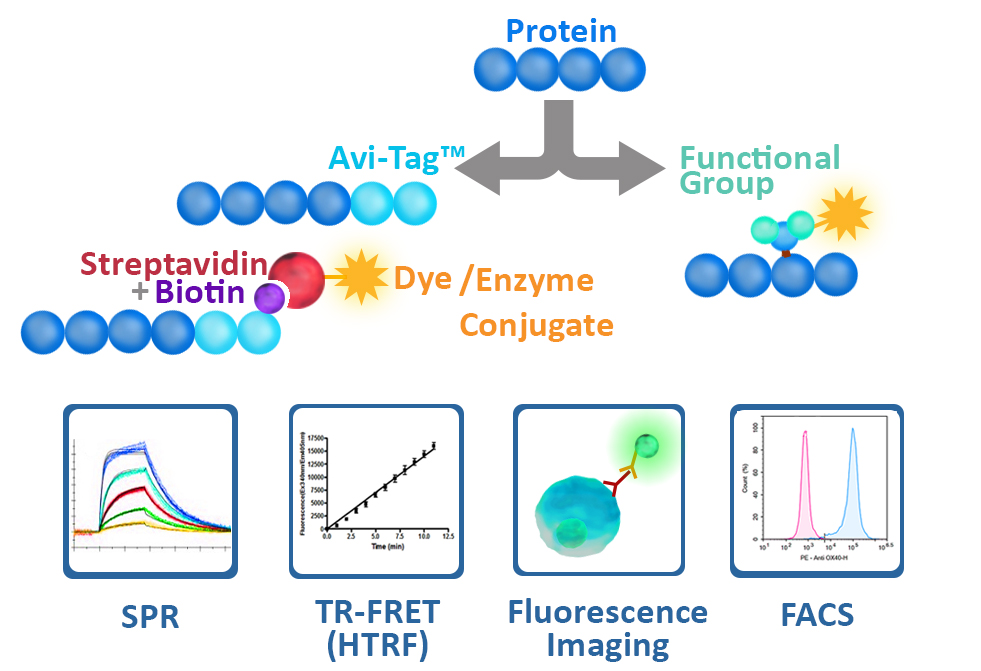
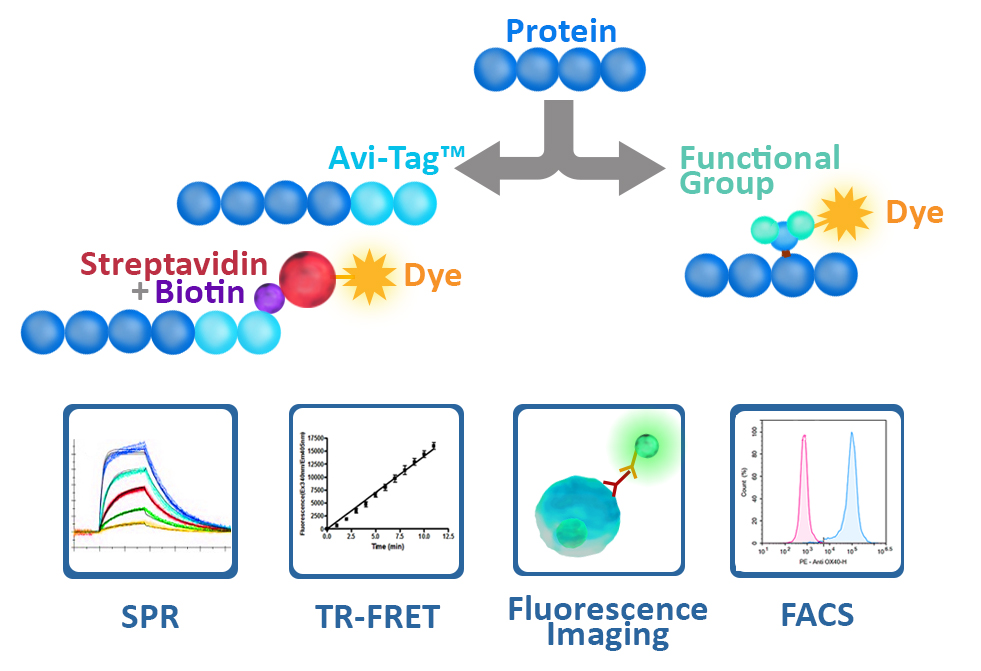
Biotinylation: Biotin label your protein specifically using Avi-TagTM technology or through specific amino acid functional-groups. We can create custom labels for streptavidin binding, purification, surface plasmon resonance, and conjugation.
Fluorescence Labeling: Let BPS help you choose from our wide selection of dyes. Label your proteins either through biotin-streptavidin binding or through direct conjugation. This is useful for fluorescence imaging, fluorescence-based biochemical screens (e.g. trFRET), or FACS analysis.
Antibody Labeling: The BPS team are experts at direct attachment of dyes to primary and secondary antibodies for epitope optimization, imaging, and ELISA replacements.
Enzyme Conjugation: Rapidly develop immunoassays with Horseradish Peroxidase conjugated to your protein or antibody.
 3. Activity Testing
Choose to test your custom protein using BPS Bioscience's collection of >200 biochemical and cell-based assays, or we can develop a new custom activity assay. Additionally BPS can provide thermal shift assays if desired.
 4. Bulk Protein Production
BPS has the capabilities to scale up protein production and produce the product in bulk. Our team of scientists will re-express and re-purify the protein while making any necessary adjustments to the formulation to meet any necessary specifications.
 5. Special Requirements
BPS offers many additional options for protein expression.
Customizable Options
- Mutagenesis studies
- Protein conjugation with probes and dyes
- Protein binding and protein interaction studies
Contact us to learn more about how we can create a custom protein for you.
Quote Request
High Purity,
Low Aggregation
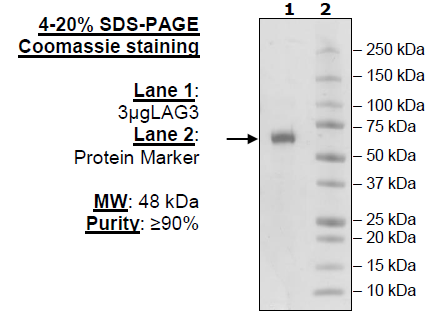
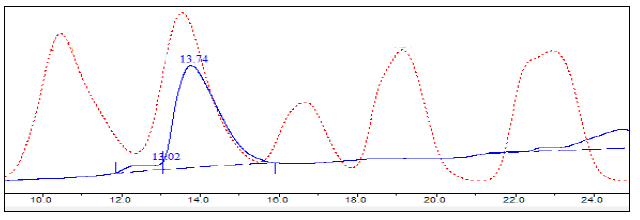
LAG3, His-Tag protein with >90% purity and <10% aggregation verified via FPLC.
Protein Labeling
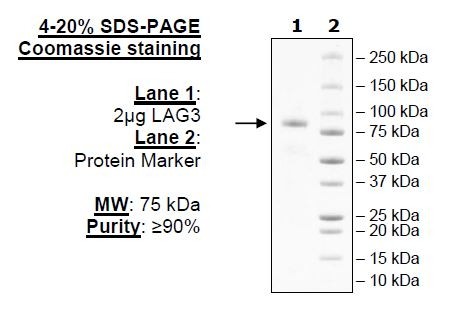
Biotin Labeled LAG3 with C-terminal Avi-Tag.
Activity Testing
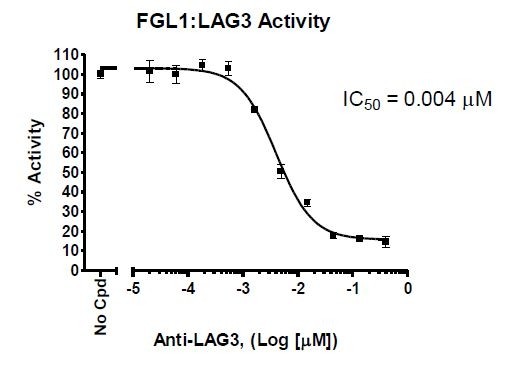
Inhibition of LAG3:FGL1 binding using Anti-LAG3, Neutralizing antibody in the LAG3:FGL1[Biotinylated] Inhibitor Screening Assay Kit.
Multiple Species
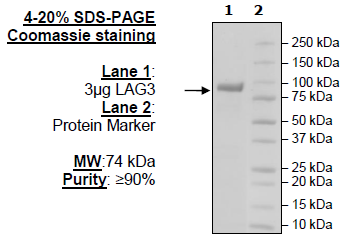
Mouse LAG3, Fc-Fusion, Avi-Tag Biotin Labeled.
Neutralizing and Labeled Antibodies
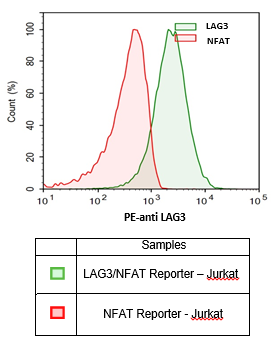
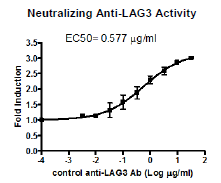
Neutralizing Anti-LAG3 Antibody